Display Mannequins
Display mannequins for clothing stores, boutiques, shop windows and photo studios: women's and men's upper torsos, half-body forms, lower-body forms and display hip forms for lingerie and swimwear. The models are made of fiberglass and rigid plastic with a matte finish, in white, black and natural skin tone, and some come on an adjustable metal stand. Retail and wholesale for stores and chains, pickup in Tel Aviv and delivery across Israel.
Products: 13





Display Mannequins for Your Store: Clothes Sell When Shoppers See Them on a Body
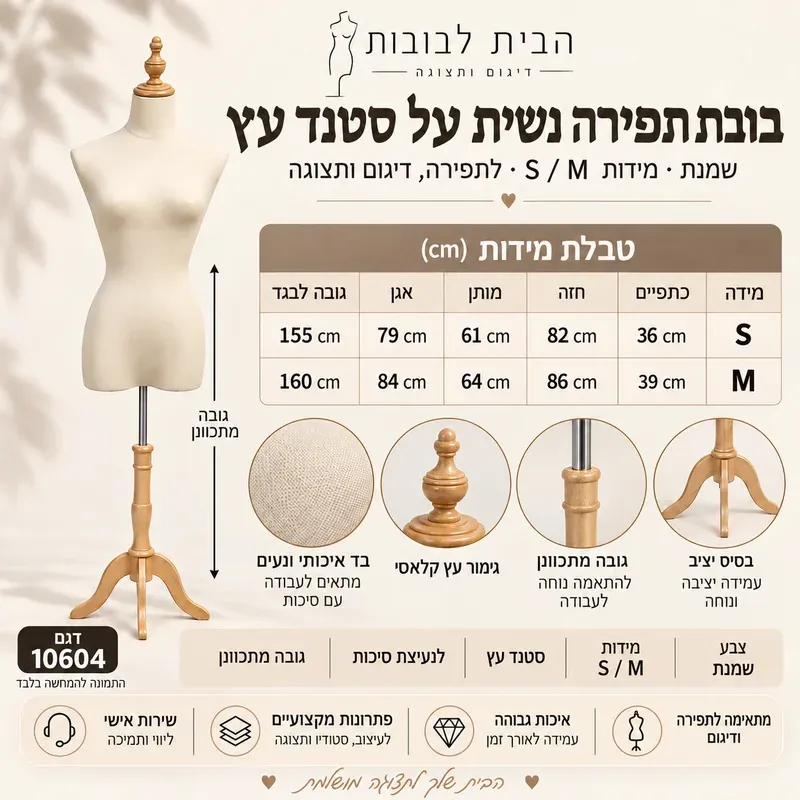
On a hanger, a garment looks flat. On a display mannequin you can see how the shoulder sits, how the fabric drapes and where the sleeve ends. That is why a display mannequin is a sales tool, not just decoration: it stops passers-by at the shop window, shows the customer a complete look and encourages buying several items together. In this category you will find display mannequins selected for fashion stores, boutiques, lingerie and swimwear shops, sports stores, designers and product photographers. Every model comes with a full size specification.
Types of Display Mannequins
Upper Torso: Bust, Shoulders and Neck
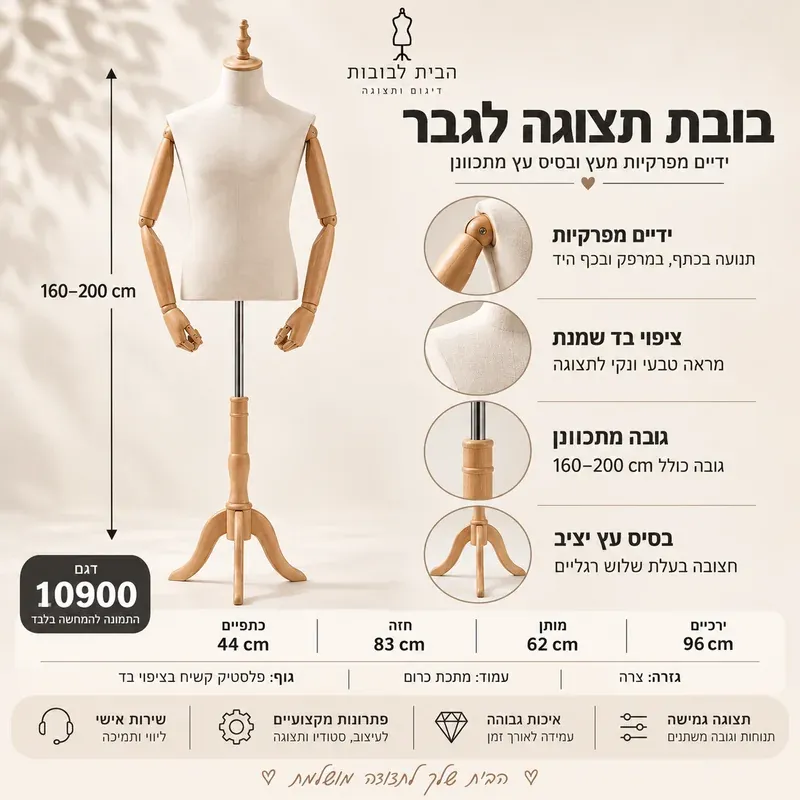
A display torso covers the upper body, without a head. It suits shirts, button-down blouses, knitwear, jackets and blazers. It takes up less space than a full-body mannequin, can stand on a counter, a shelf or a tall stand, and is a convenient choice for small shops and exhibitions. Models with sculpted arms give a jacket or shirt sleeve real volume and folds, while armless models are ideal for tank tops, T-shirts and quick dressing.
Half Body and Long Torso
A display mannequin that runs from the base of the neck to mid-thigh or the hips shows short dresses, bodysuits, top-and-skirt sets and one-piece swimsuits. Slim-cut models suit collections in sizes XS to S, where a fitted garment looks stretched on a wider mannequin.
Lower Body and Display Hips
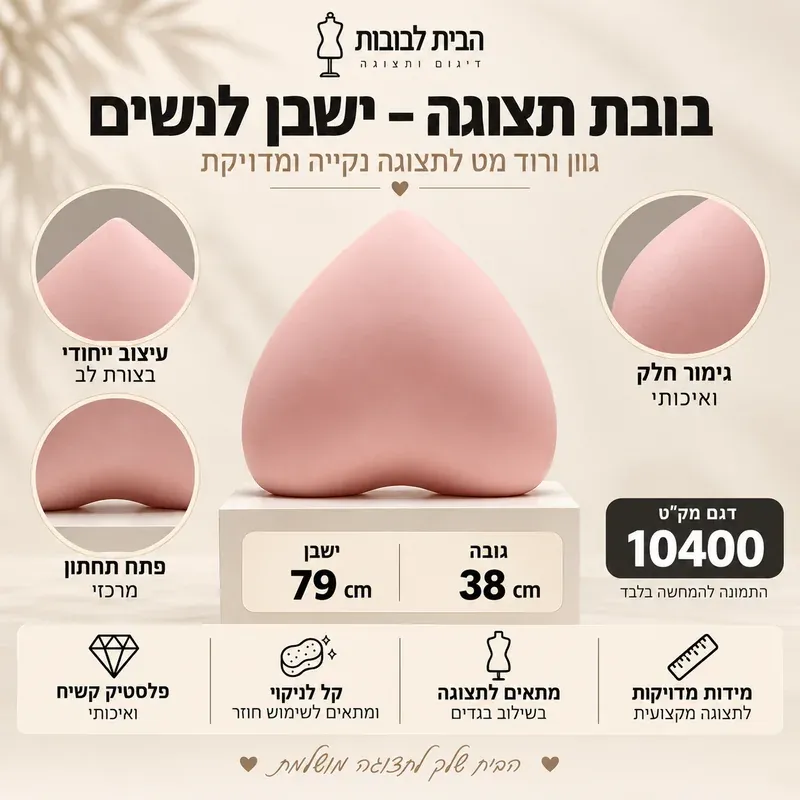
Lower-body mannequins, from the waist to the thigh, are designed for underwear, swimwear, shorts and fitted sportswear. Skin-tone display hips show lace, mesh and nude-coloured items the way they will look on the skin. They stand on their own and are easy to move between shelves.
Display Mannequins for Women, Men and Children
Women's display mannequins: upper torsos, half bodies and slim cuts for dresses, lingerie and swimwear
Men's display mannequins: torsos with and without arms for shirts and jackets, plus lower bodies for swimwear and underwear
Children's display mannequins: age-based display mannequins for children's and baby clothing stores
Guide to Choosing a Display Mannequin
Size: Choose According to the Clothes You Sell
Before choosing, compare the bust, waist and hip measurements in the mannequin's specification with the main size in your store. A garment that fits snugly, without stretching or wrinkling, looks the way it was designed. A solid display mannequin is not adjustable, so it is best to choose it by your best-selling size. A slightly larger item can be tightened at the back with a clear clip.
Material: Fibreglass or Rigid Plastic
Fibreglass: rigid and relatively light, it keeps its shape even under a heavy jacket or coat and gives a refined finish. Ideal for shop windows and boutiques. It is more sensitive to knocks and scratches, so dress it carefully.
Rigid or foamed plastic: light, durable and easy to move and transport. Suitable for stores with many display points, exhibitions and photography.
Colour and Finish
A matte finish does not reflect light, so fabric colours stay accurate both under strong store lighting and in photos. A black mannequin makes light and colourful clothes stand out and blends into a minimalist or industrial design. White gives a clean, airy look. A natural skin tone is the right choice for lingerie, lace and nude-toned clothing. In a white-themed store, a white mannequin against a white background can get lost, so choose a colour that contrasts with the wall.
Base and Stand
Some mannequins stand on their own on the straight cut of the hips, while others come on an adjustable metal pole with a stable base. An adjustable pole lets you lower the mannequin to counter height or raise it to eye level on the shop floor. In walkways, choose a wide, heavy base.
How Many Mannequins You Need and How to Place Them
In a shop window, a group of three mannequins at different heights works well. You can combine several torsos on poles of varying height instead of full-body mannequins.
On the shop floor, adjust the pole so that the shoulder line is close to the customer's eye level.
Keep a consistent style and colour for the mannequins in your store, so the eye focuses on the garment.
Light the mannequin from the front and the side. Backlighting shows the mannequin's outline through sheer fabrics.
Change the look with every collection or promotion, so regular customers see something new.
Display Mannequin or Dress Form?
A display mannequin is made of rigid material and is designed to show a finished garment. You cannot pin into it, and its size cannot be adjusted. Anyone who sews, alters or fits clothes needs a padded form they can work on. You will find these models in the dress forms and sewing forms category, and the full differences are explained in our guide to choosing a dress form.
Wholesale Display Mannequins for Stores and Chains
For fashion chains, multi-branch stores, window dressers and interior designers, we supply display mannequins in bulk directly from import, with personal guidance in choosing models, colours and sizes so that every branch looks consistent. In addition to mannequins, we offer professional display equipment and display hangers that complete your store design. For a price quote, contact us.
Shipping, Pickup and Service
A mannequin ordered from overseas websites often arrives weeks later, without exact measurements and with no way to see the finish in advance. With us, every model comes with a size specification, and you can pick it up yourself from our warehouse at 15 Kfar Giladi Street in Tel Aviv or have it shipped anywhere in Israel. Details on delivery times and returns can be found on the Shipping and Returns page. To protect garments between displays, add dress and suit covers.
Related guides:
Frequently asked questions
What is the difference between a display mannequin and a dress form?
A display mannequin is made of fiberglass or rigid plastic and is intended for displaying a finished garment in a store, in a shop window or in photography. You can't stick pins into it, and its measurements are fixed. A dress form is padded, and you can pin, cut and sew on it. It is intended for seamstresses, designers and fashion students.
A torso or a full-body form: which suits my store?
A torso takes up less space and costs less, and can be stood on a counter, a shelf or an adjustable pole. It suits shirts, jackets and small stores. A longer form, down to mid-thigh or the hips, suits dresses, swimwear and sets. In a shop window you can combine several torsos at different heights and get an impressive display without taking up the space of full-body forms.
Which color display form should I choose: white, black or skin tone?
Matte black makes light and colorful garments stand out and suits a minimalist design. Matte white gives a clean look, but may get lost against a white wall. A natural skin tone suits underwear, lace and nude-colored items, because it shows the color and sheerness as they will look on skin. A matte finish is better than a glossy one, because it doesn't reflect light under store lighting and in photography.
How do I know which size of display mannequin suits the garments I sell?
Compare the bust, waist and hip circumferences in the form's specifications to the measurements of your best-selling garment. A rigid display mannequin isn't adjustable, so choose it according to the central size in the store. A garment slightly larger than the form can be clipped at the back with a clear clip, so no folds are visible at the front. For fitted collections in small sizes, it's worth choosing a model in a narrow cut.
Can I order display mannequins in bulk for stores and chains?
Yes. For stores, chains and space designers we supply display mannequins in quantities directly from import, with personal guidance in choosing the models, colors and sizes. We deliver nationwide, with self pickup from Kfar Giladi 15 in Tel Aviv. For a quote, you can contact us by phone, WhatsApp or email.
How do I dress a fitted dress on a form without arms?
Put the dress on from the top, through the neck and shoulders, and pull gently downward. With a zippered dress, open the zipper all the way before dressing.
How do I clean a display mannequin?
A soft, damp cloth with a little mild soap. Do not use abrasives, solvents or polishes, which could damage the finish.
How many forms should I place in a shop window?
In a small window one or two forms are enough. In a large window it's common to place a group of three forms at different heights or in different poses, displaying one look in several variations.
Can I photograph products for an online store on a display mannequin?
Yes. The form gives the garment the shape of a body, and you photograph it against a plain background and in soft light. A matte finish is better, because it does not reflect light into the camera.
How do you move and store a display mannequin?
Take the form apart into pieces, if possible: body, post and base. Wrap each part in soft fabric or bubble wrap, and store in a dry place, away from direct sunlight and heat sources.